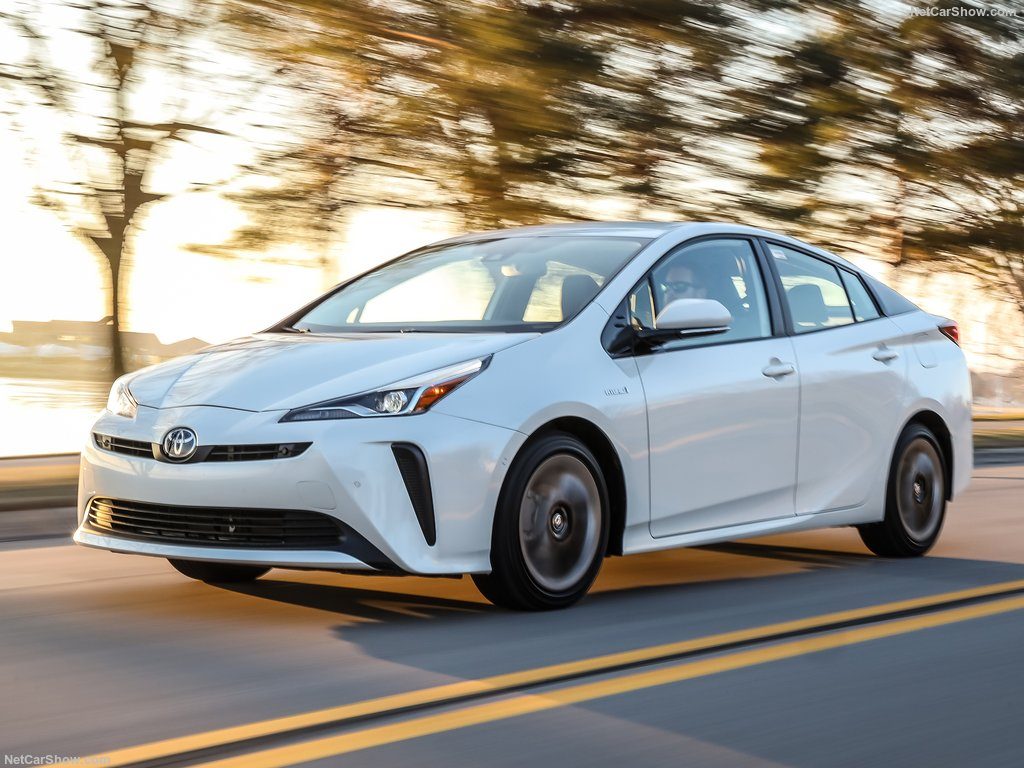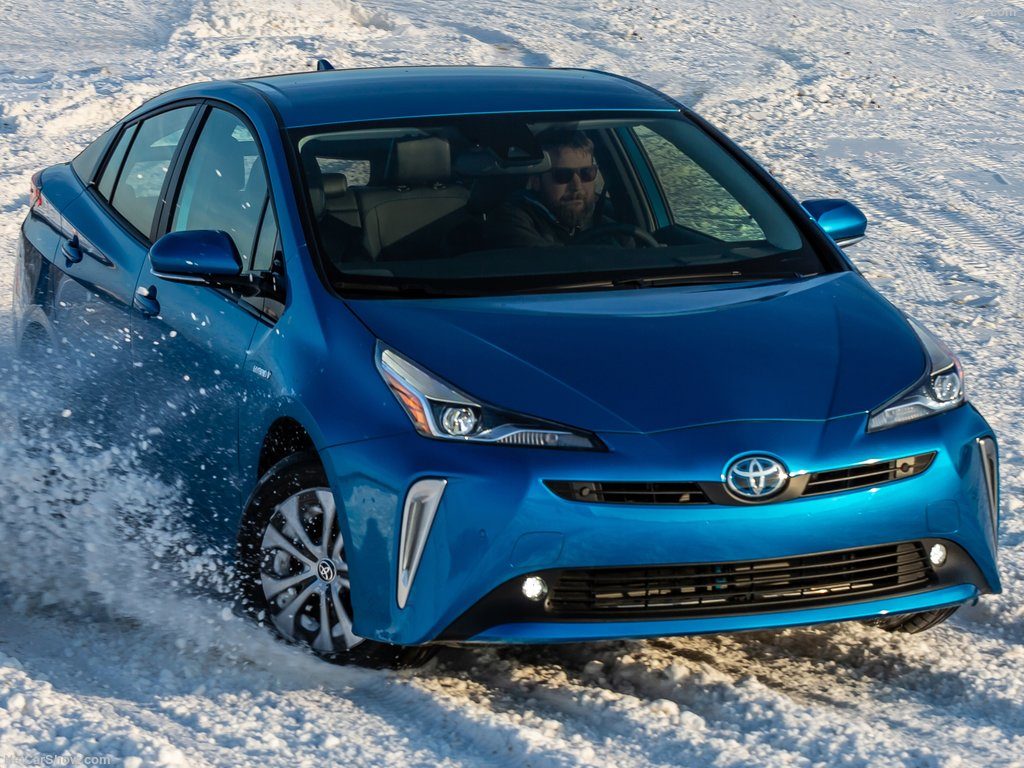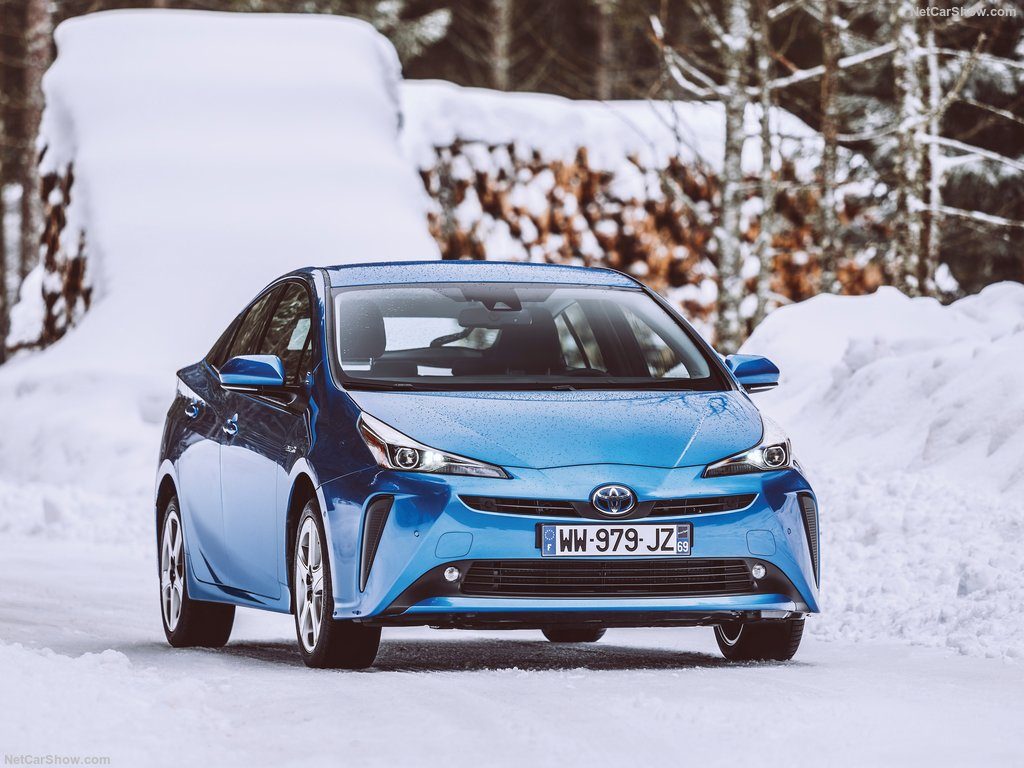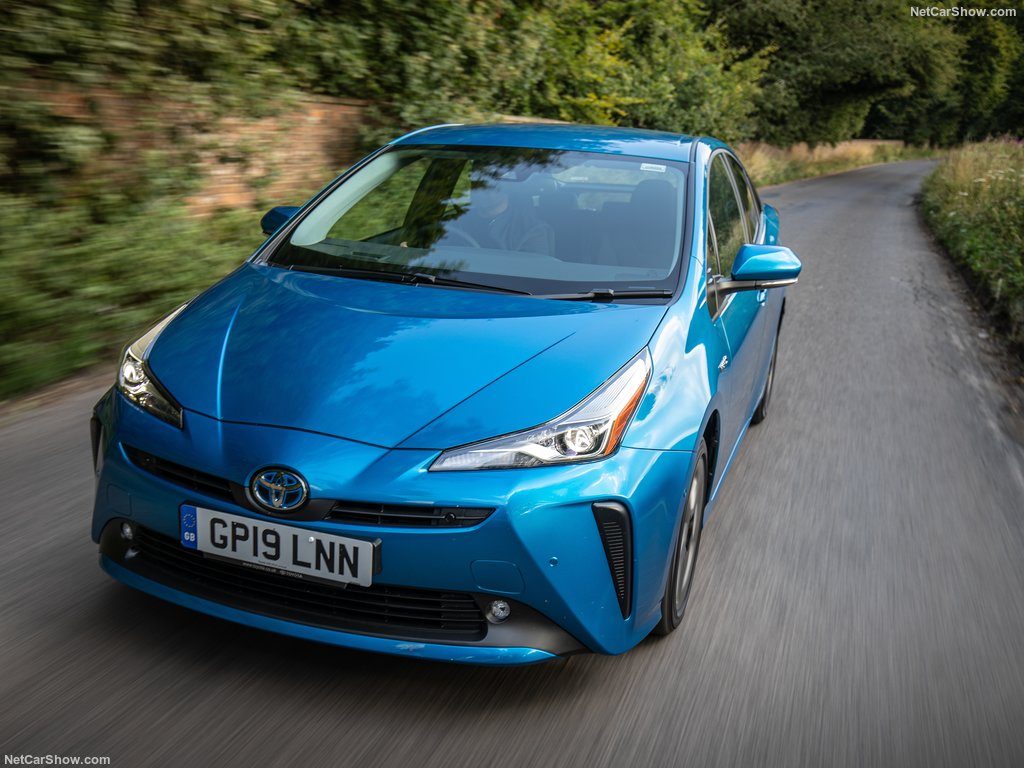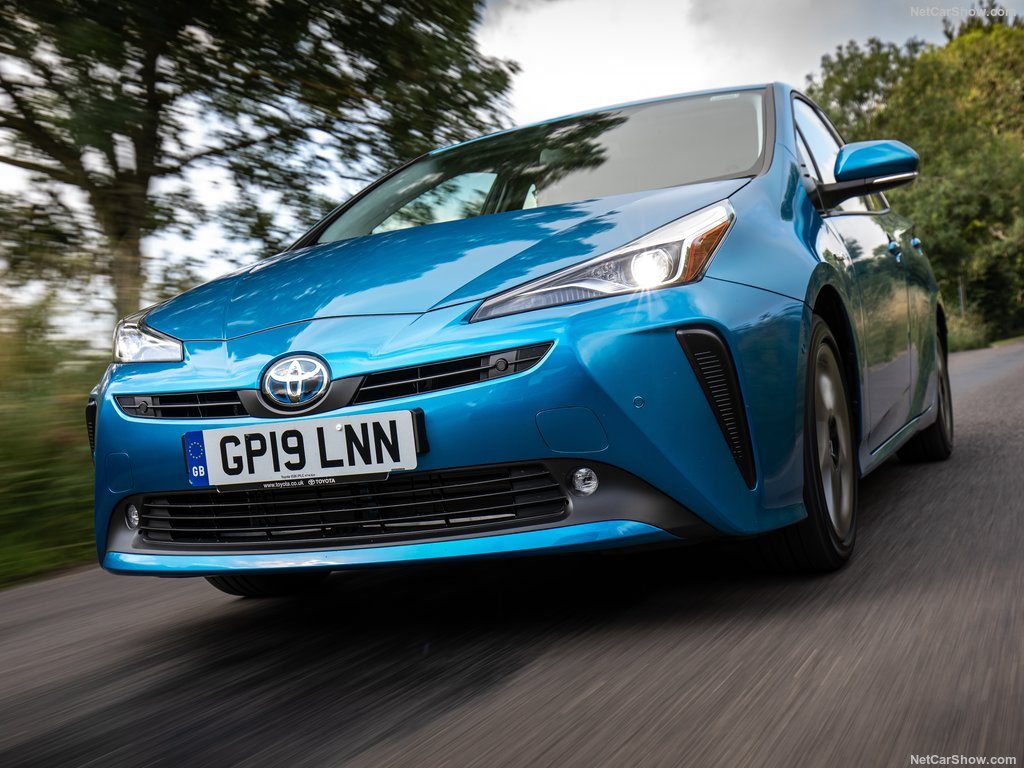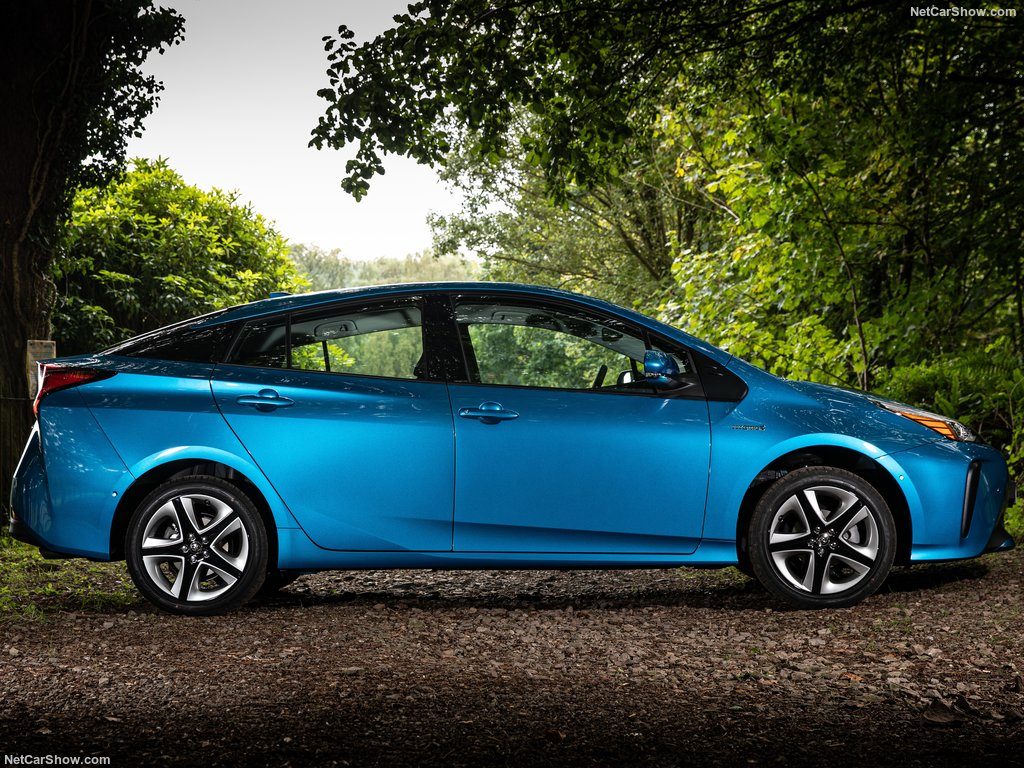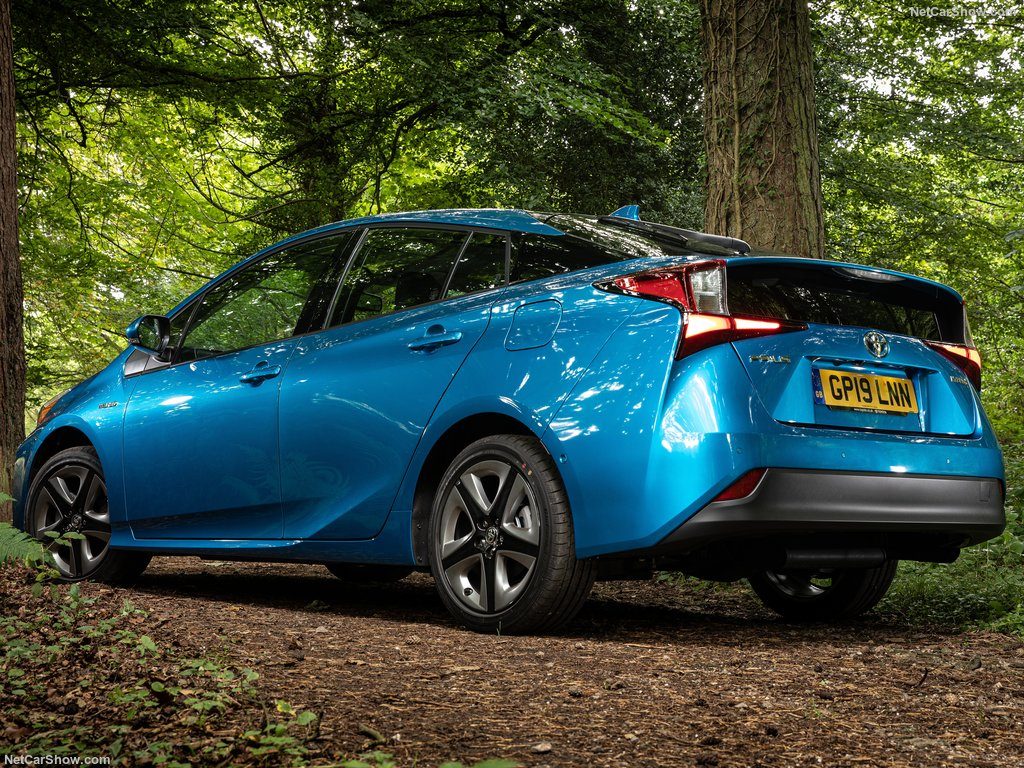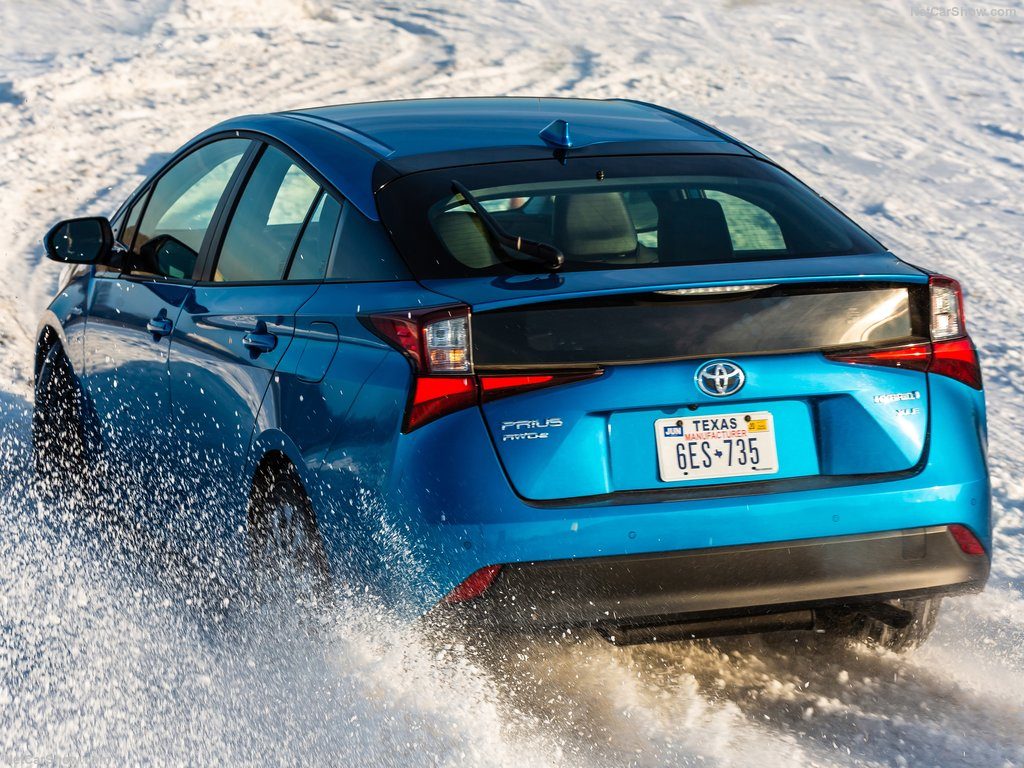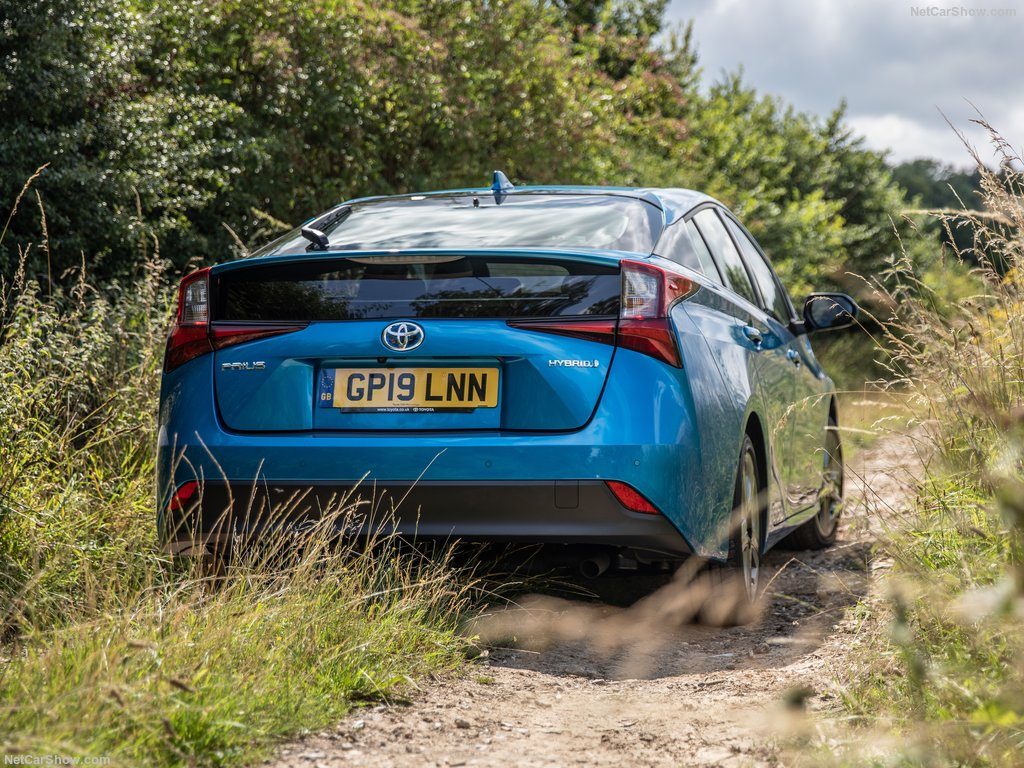

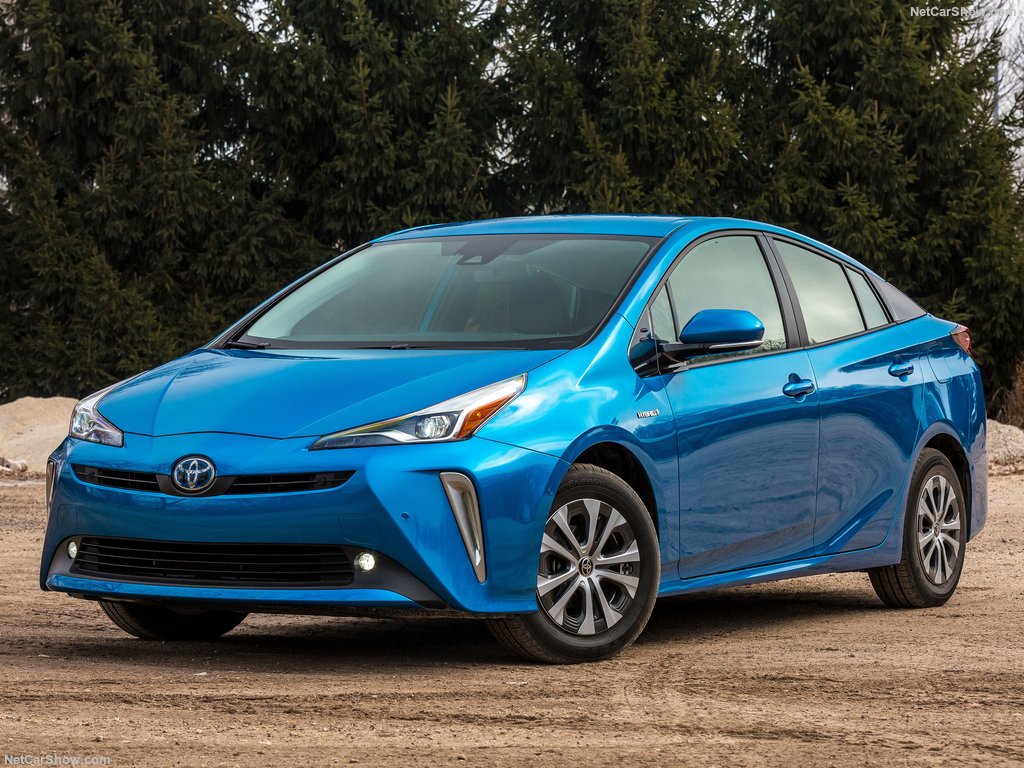
The new Prius AWD-e system will certainly deliver added traction and confidence for drivers but, in true Prius fashion, the 2019 AWD-e will lay claim to being one of the most fuel-efficient all-wheel-drive-equipped passenger cars available in the U.S., thanks to manufacturer-projected mpg estimates of 52 mpg city / 48 mpg highway / 50 mpg combined. Toyota estimates that the AWD-e model could account for as much as 25 percent of annual U.S. Toyota Prius sales.
Toyota’s AWD-e system is ideal for Prius. The automatic on-demand system does not require a center differential or other torque-apportioning device, nor does it need a front-to-rear driveshaft. Instead, the « e » in AWD-e stands for electric. The Toyota Prius AWD-e uses an independent electric, magnet-less rear motor (a Toyota first) to power the rear wheels from 0 to 6 mph, then when needed, up to 43 mph. This system provides the power to the rear wheels to pull away from a stop, yet the on-demand system recognizes when all-wheel-drive performance is not needed to provide great fuel economy.
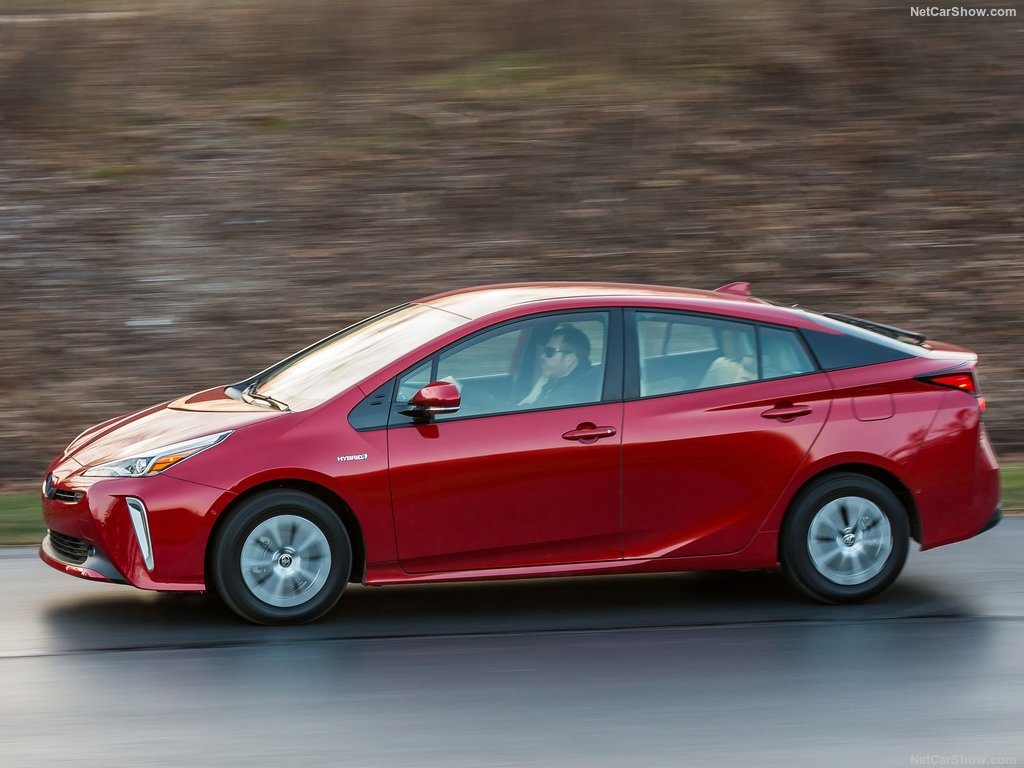
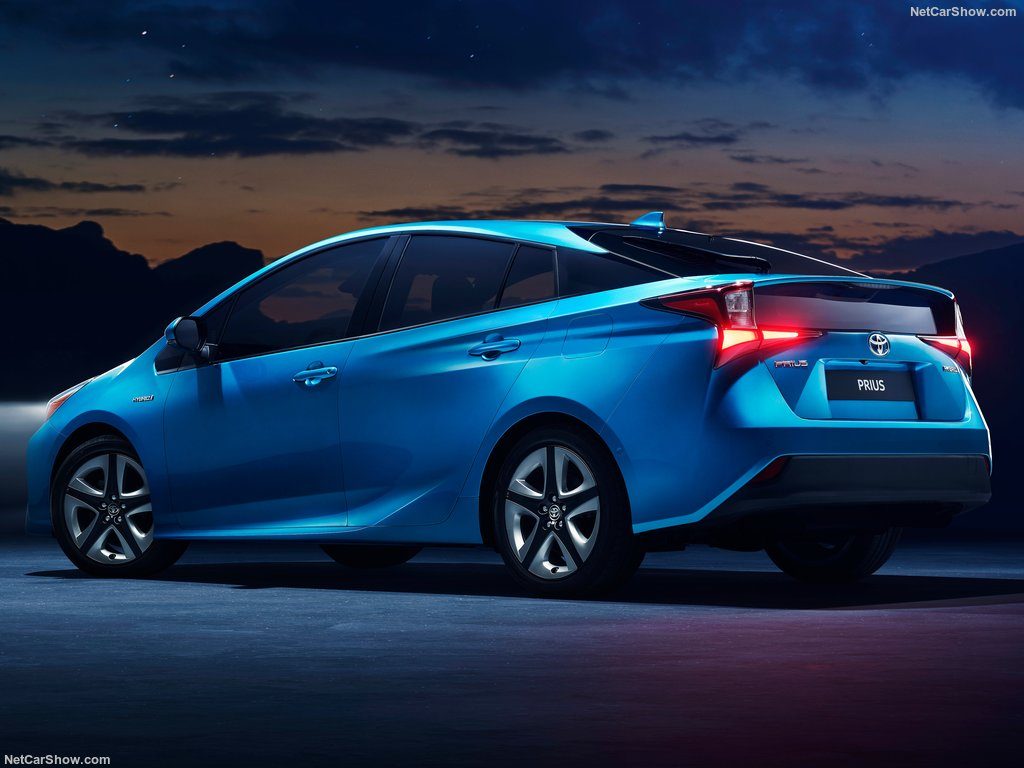
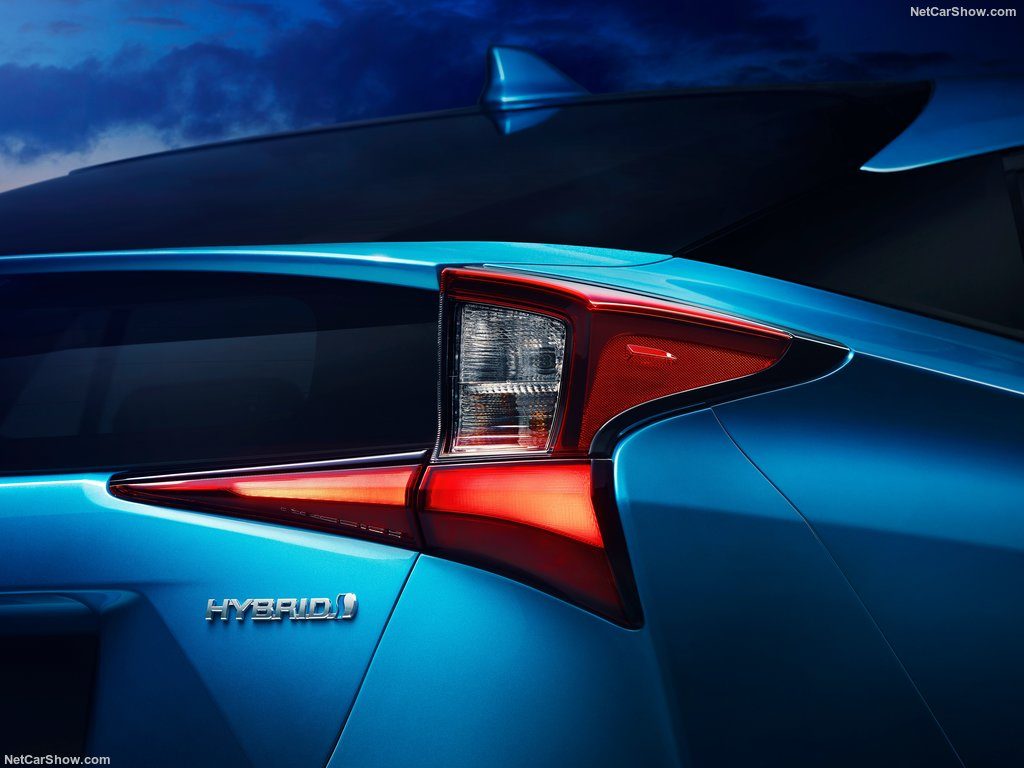
The addition of the available AWD-e system is only part of the wider revision to the 2019 Prius, which debuts newly refined front and rear exterior styling, along with additional interior updates. Let’s not forget the front-wheel-drive (FWD) Toyota Prius will still offer the impressive fuel economy for which it is known, with manufacturer-projected fuel economy estimates of 58 mpg city / 53 mpg highway / 56 mpg combined on the L Eco grade, while the LE, XLE and Limited has projected fuel ratings of 54 mpg city / 50 mpg highway / 52 mpg combined.
The 2019 Prius also adopts the familiar model grade strategy used throughout the Toyota family, dropping the numerals in favor of grade labels L Eco, LE, XLE and Limited. Prius will also sport two new colors for 2019, Supersonic Red and Electric Storm Blue. The AWD-e model will be offered in LE and XLE grades and will debut a new two-tone 15-inch alloy wheel (with cover).
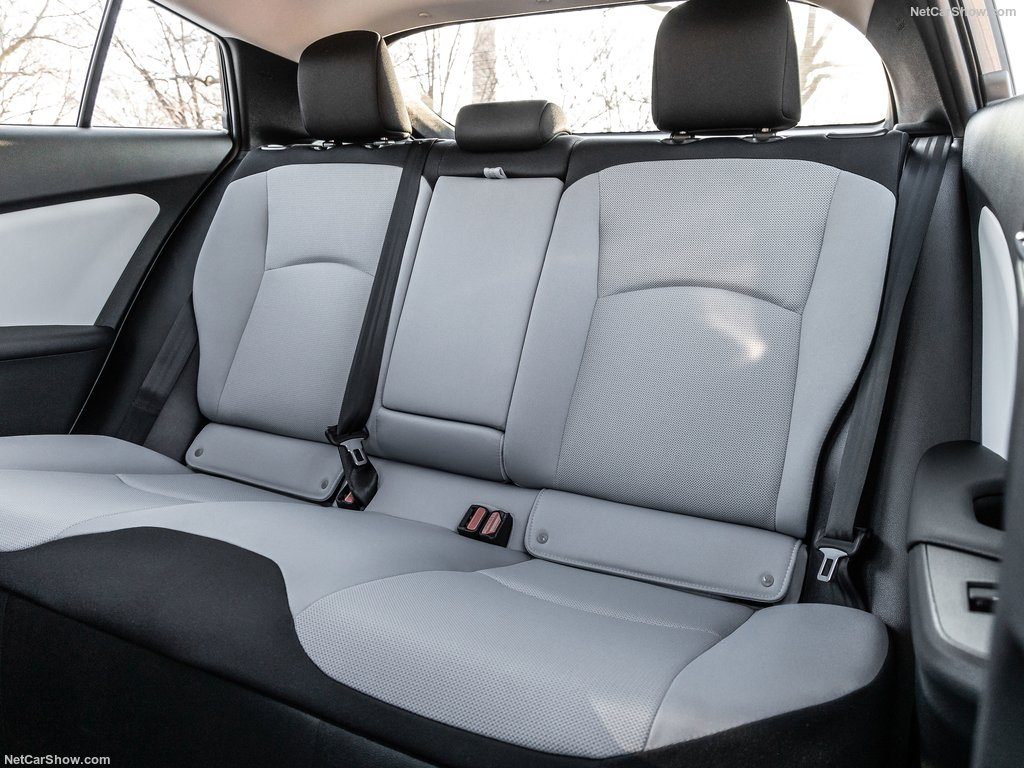
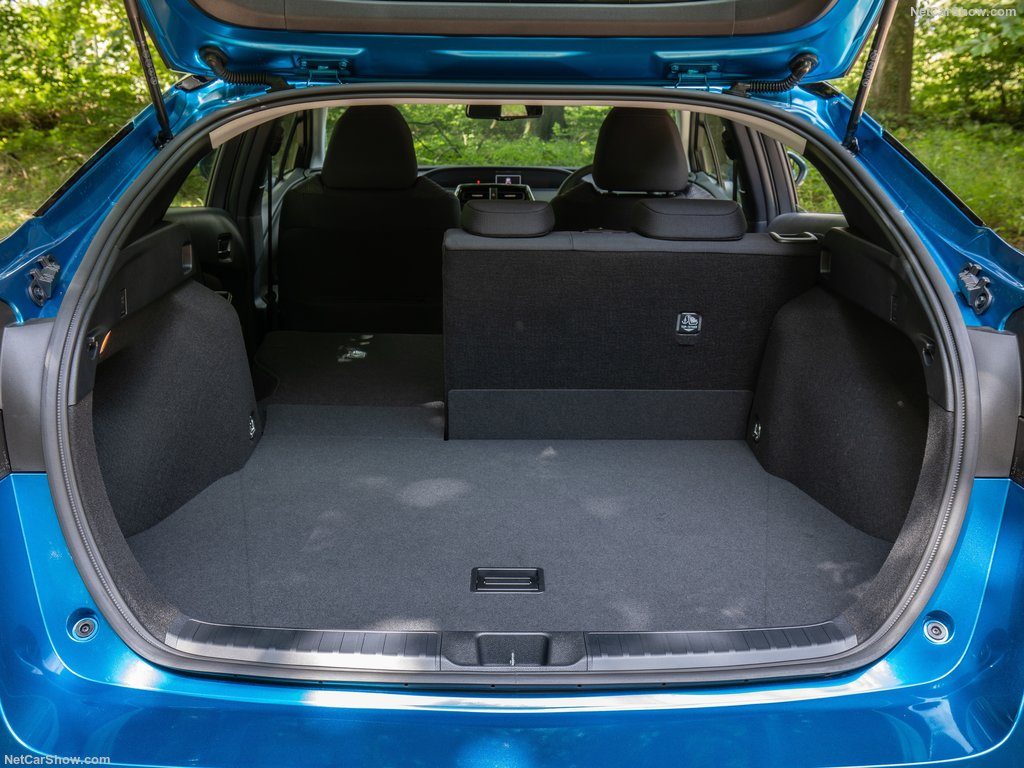
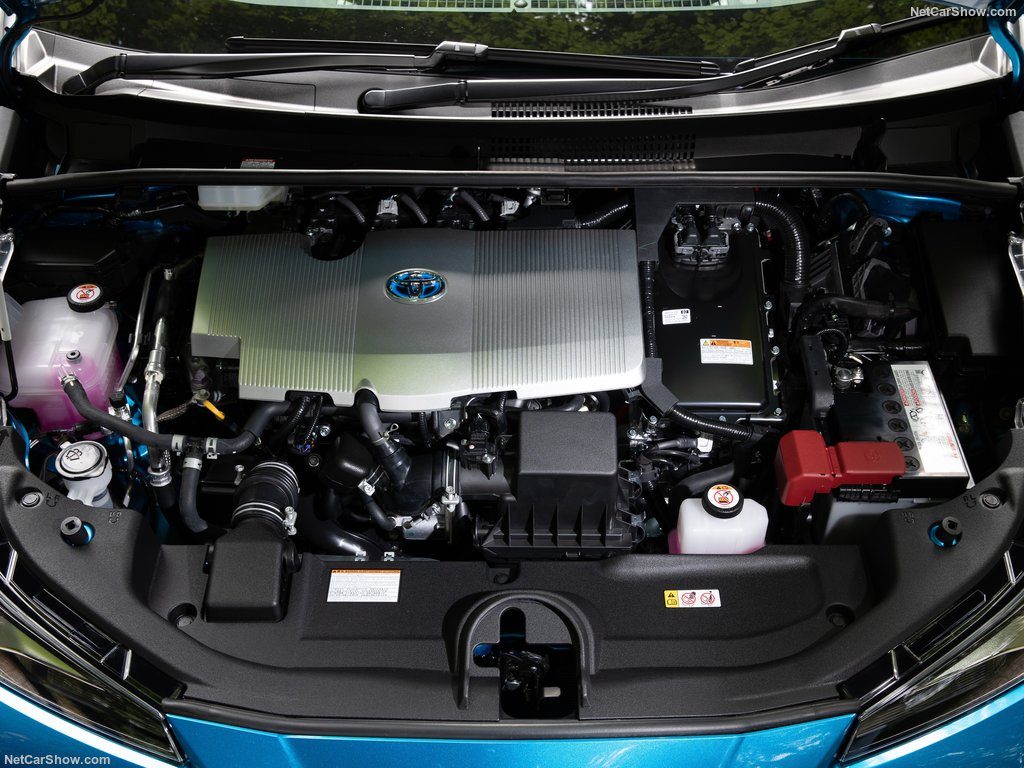
The AWD-e models use a newly developed compact Nickel-Metal Hydride (Ni-MH) battery that is designed to provide excellent performance in cold-weather conditions. The AWD-e battery fits under the rear seat area and does not impact the luggage capacity. The FWD models will tout a Lithium Ion battery.
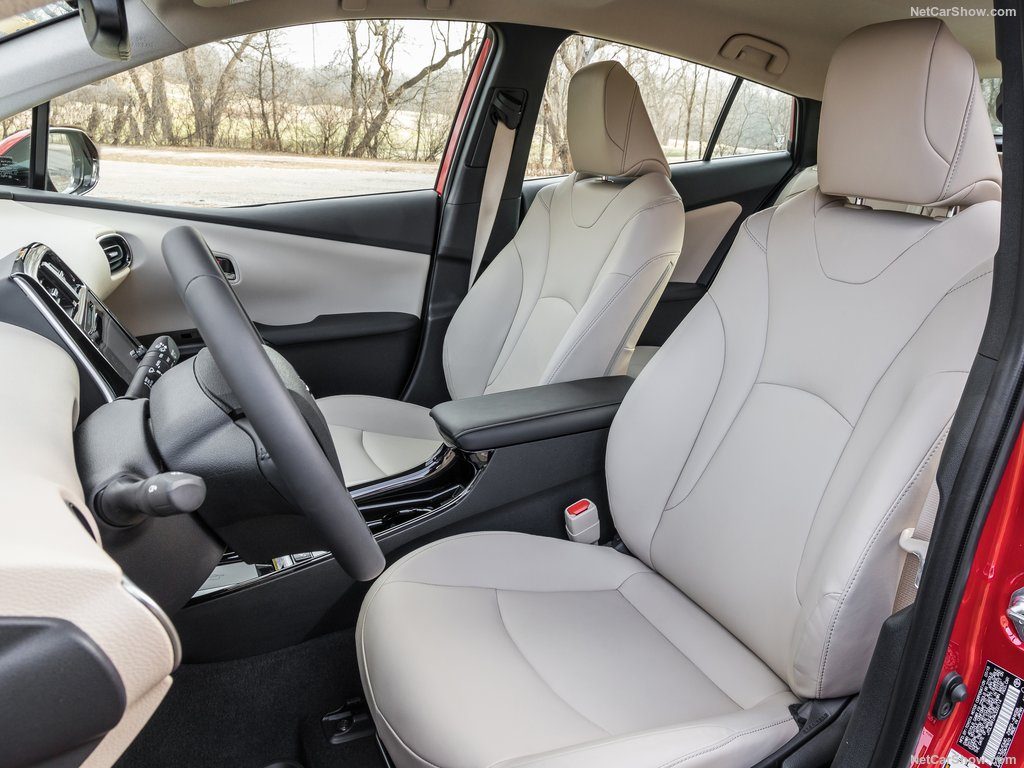
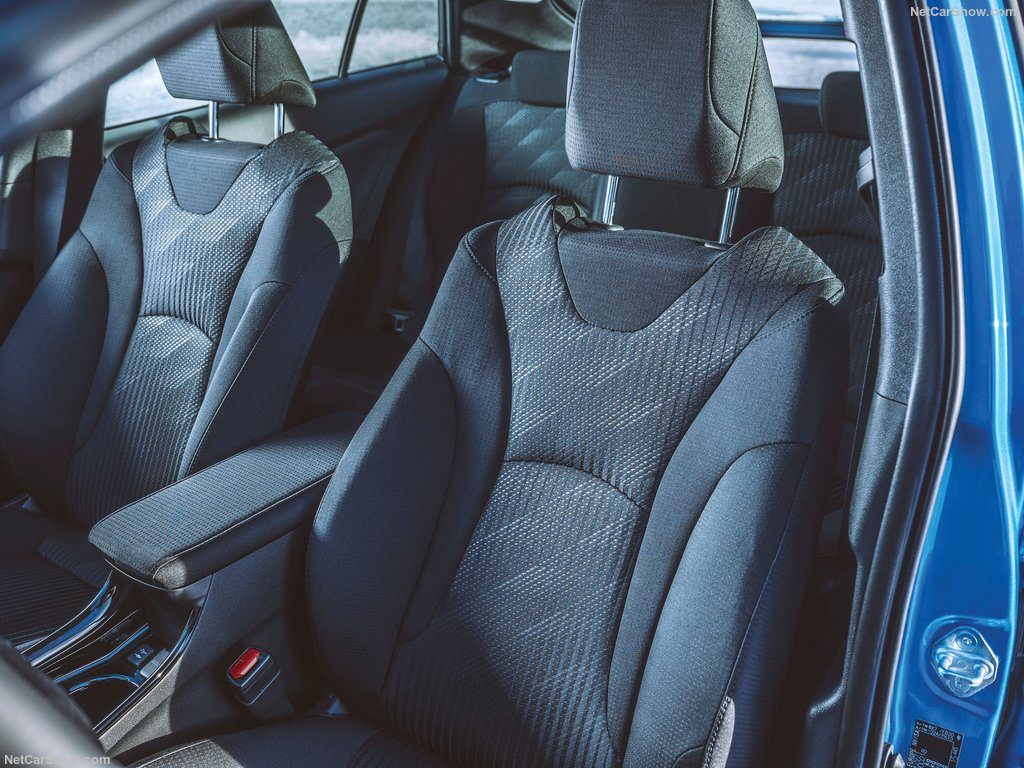
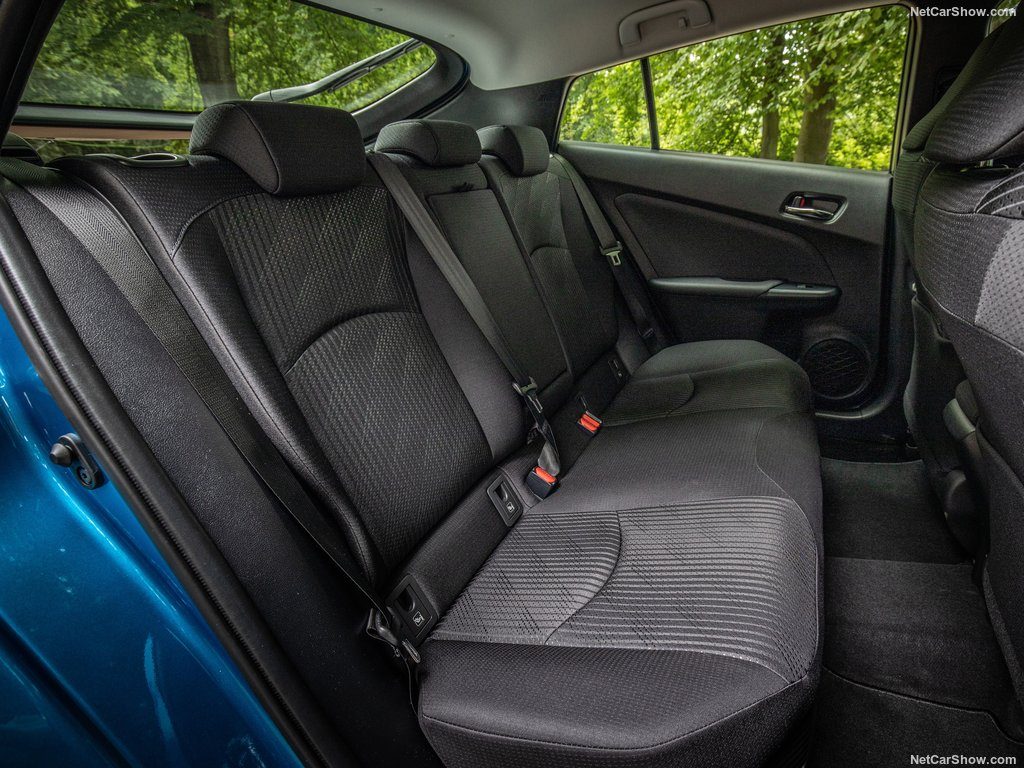
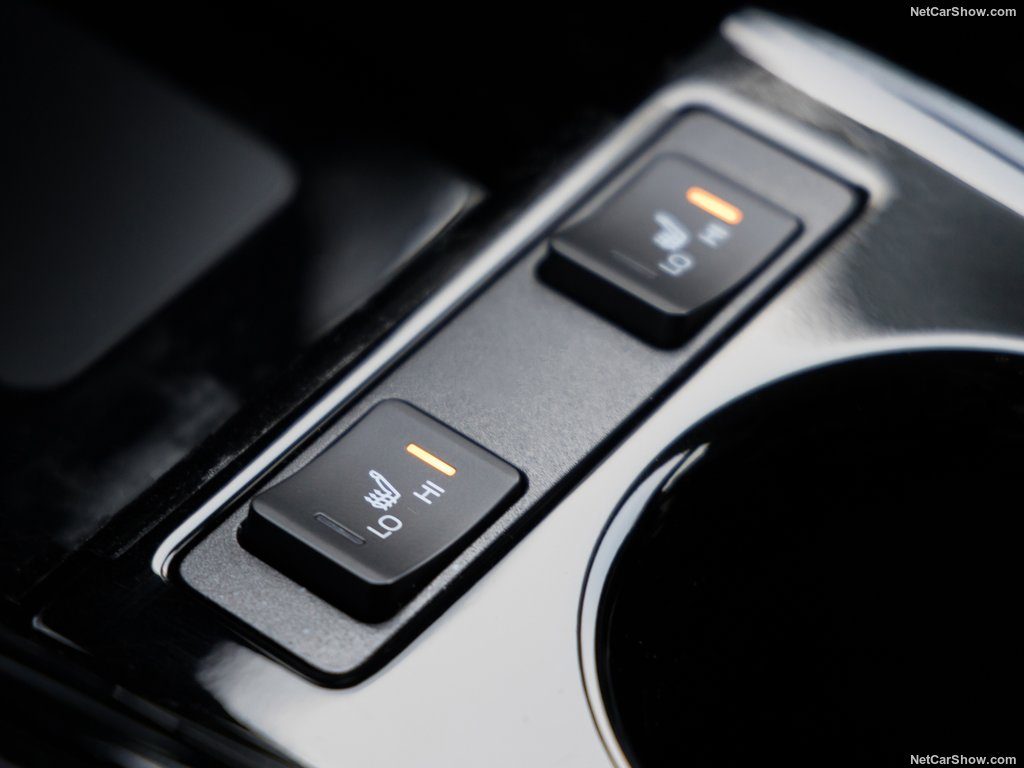
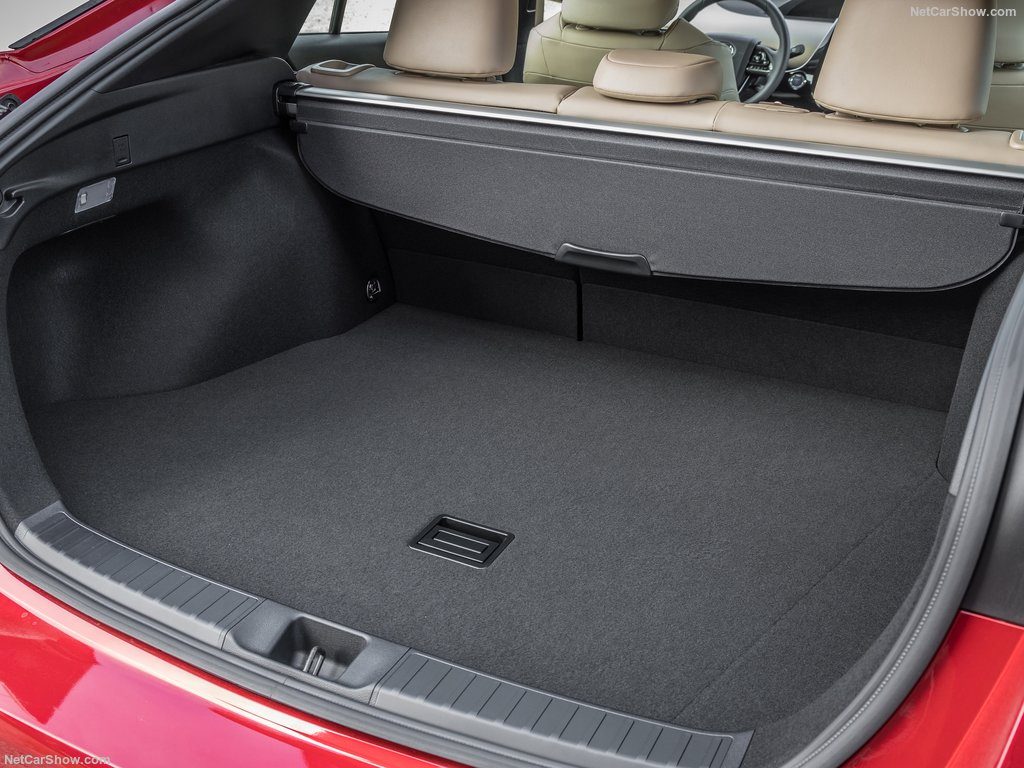
The Toyota Prius AWD-e models offer the same 65.5 cu. ft. of carrying space with the standard 60:40 split rear seatbacks lowered as other Prius models. That’s more than in some small SUVs and larger than most full-size sedans. Expanding carrying options, the Prius AWD-e will offer available Genuine Toyota Accessory cargo crossbars for roof rack attachments, such as for carrying bikes, kayaks, snowboards, or a cargo carrier. The Toyota Prius AWD-e XLE features upgraded SofTex-trimmed, heated front seats with 8-way power-adjustable driver’s seat.
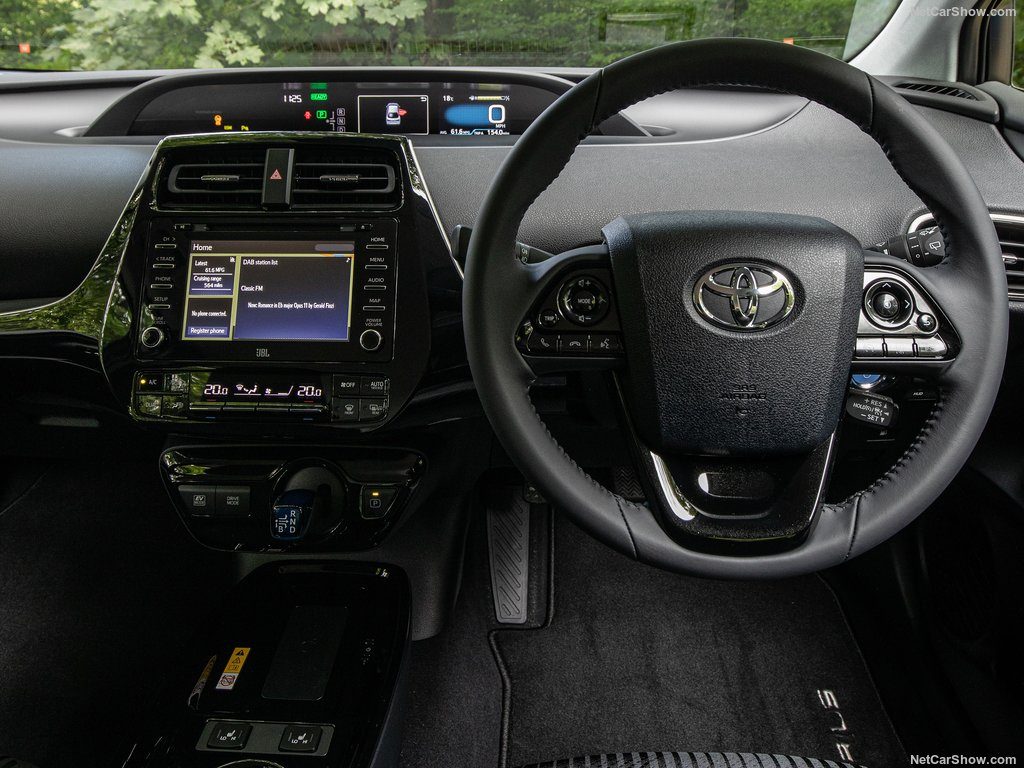
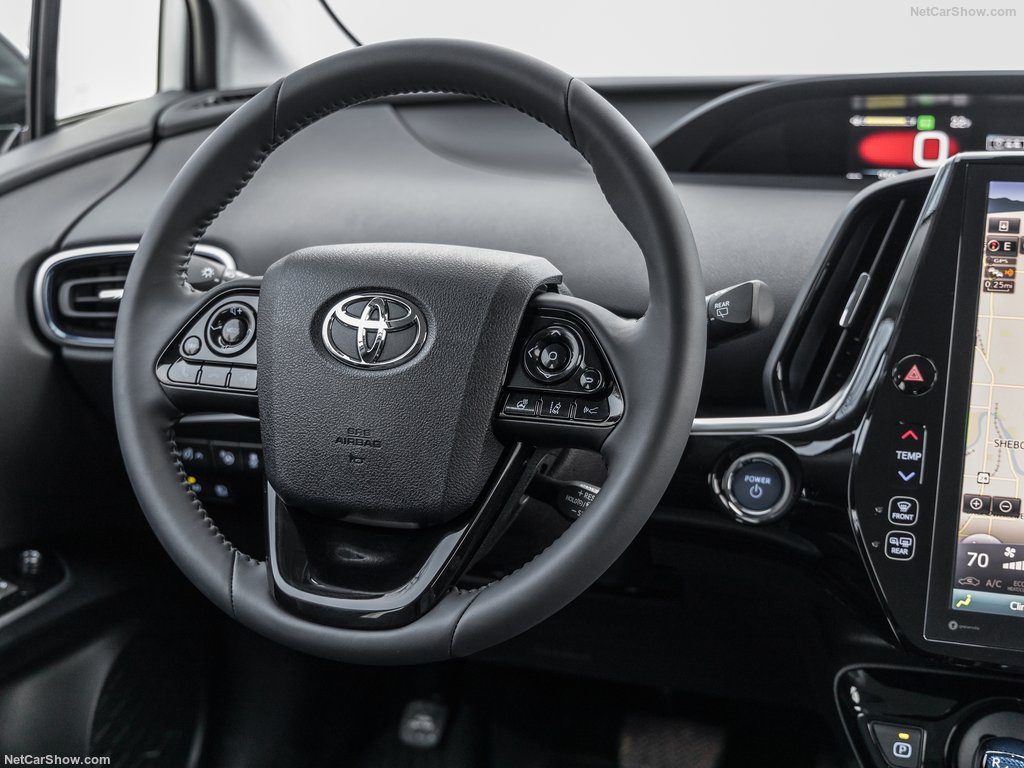
The SofTex-trimmed heated tilt/telescopic steering wheel features surface temperature-regulating properties to help make it feel more comfortable in hot or cold weather. The steering wheel also integrates switches for the Entune Audio system, Multi-Information Display, and Bluetooth hands-free phone controls.
The Prius comes standard with driver’s door Smart Key System, Push Button Start and remote illuminated entry. The XLE and Limited grades include Standard Smart Key System on three doors. An Adaptive Front Lighting System is available on the XLE grade and is standard on the Limited grade. And, Toyota Safety Connect, standard on Limited models, includes Emergency Assistance, Stolen Vehicle Locator, Roadside Assistance and Automatic Collision Notification and comes with a complimentary three-year trial subscription.
Standard Toyota Safety Sense
All 2019 Prius models, including the Prius AWD-e versions, come standard with Toyota Safety Sense P (TSS-P). Using millimeter-wave radar and a monocular camera sensor to help detect a pedestrian, a vehicle, and lane markers and headlights in the surrounding area, TSS-P provides a comprehensive bundle of active safety features including: Pre-Collision System with Pedestrian Detection (PCS w/ PD), Lane Departure Alert with Steering Assist (LDA w/ SA), Automatic High Beams (AHB), and Full-Speed Range Dynamic Radar Cruise Control (DRCC).
Because all Toyota Prius models, under certain circumstances, can operate in battery mode alone, during which they make little to no noise, they incorporate a Vehicle Proximity Notification System (VPNS) to help alert pedestrians and cyclists.
High Tech Galore
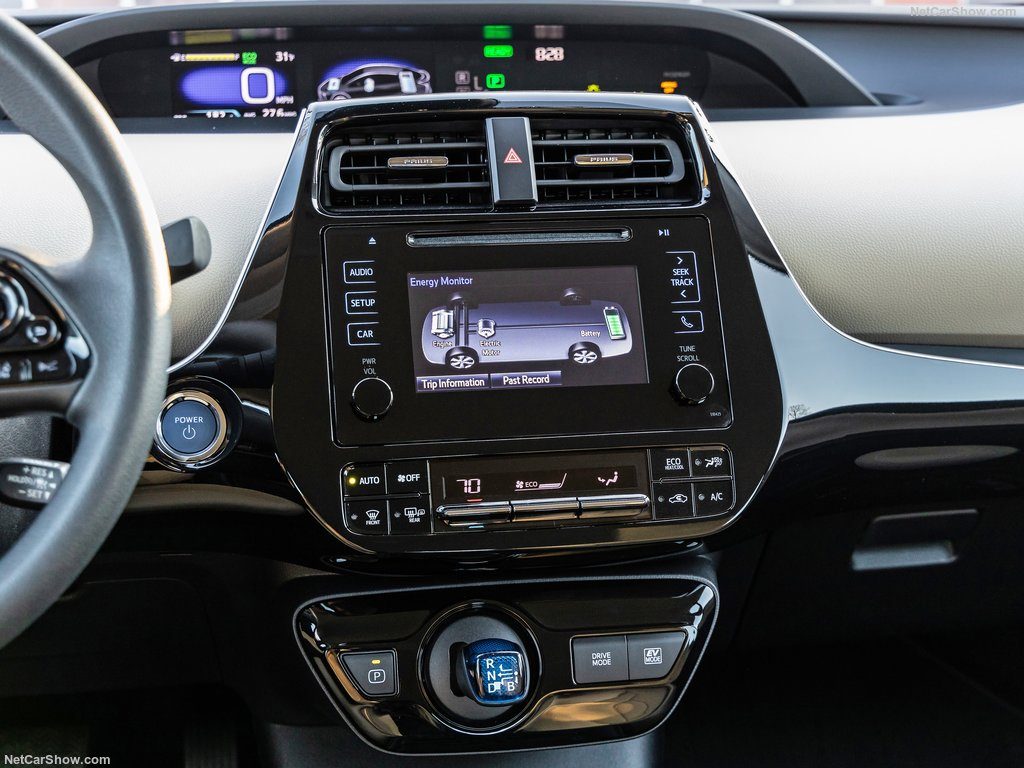
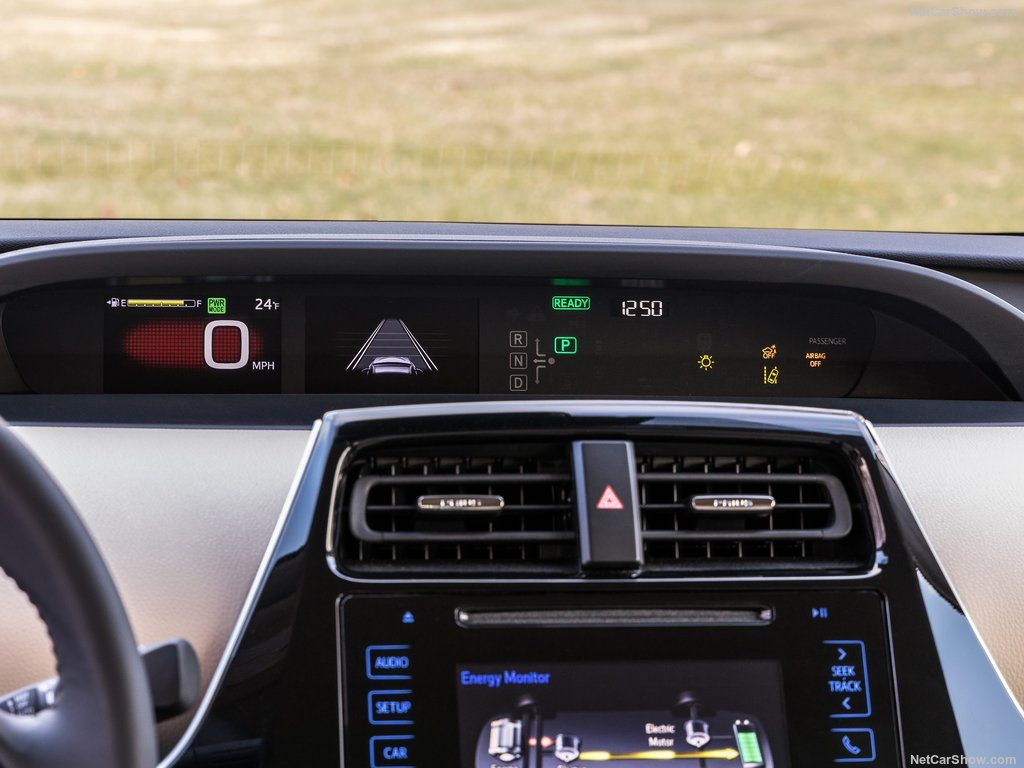
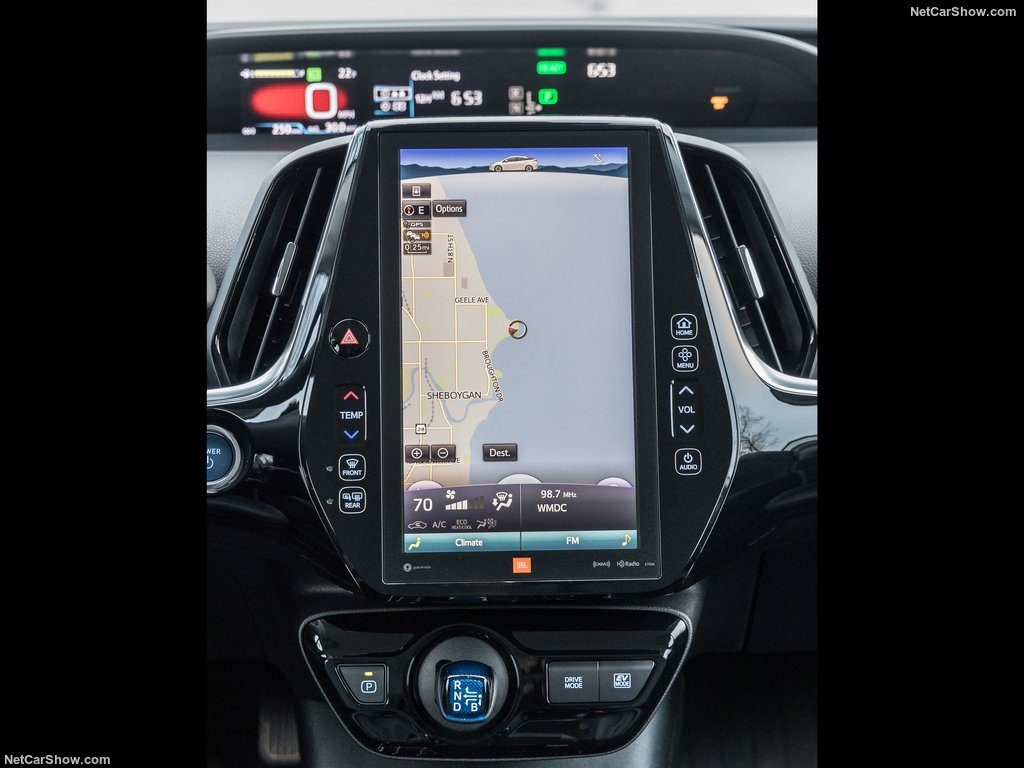
All Prius models share interior features including the familiar central screen interface. The 4.2″ color Dual Multi-Information Display with customizable screens adds an AWD-e system indicator to the menu of displays, which also includes Energy Monitor, Hybrid System Indicator and Eco Score, Eco Savings Record, Drive Monitor, Eco Wallet, Eco Diary, Climate Control, driver support systems, audio system content, and navigation system content. For the ultimate in high-tech information, the available Color Head-Up Display (HUD) shows the speedometer, navigation, and Hybrid System Indicator in the driver’s line of sight.
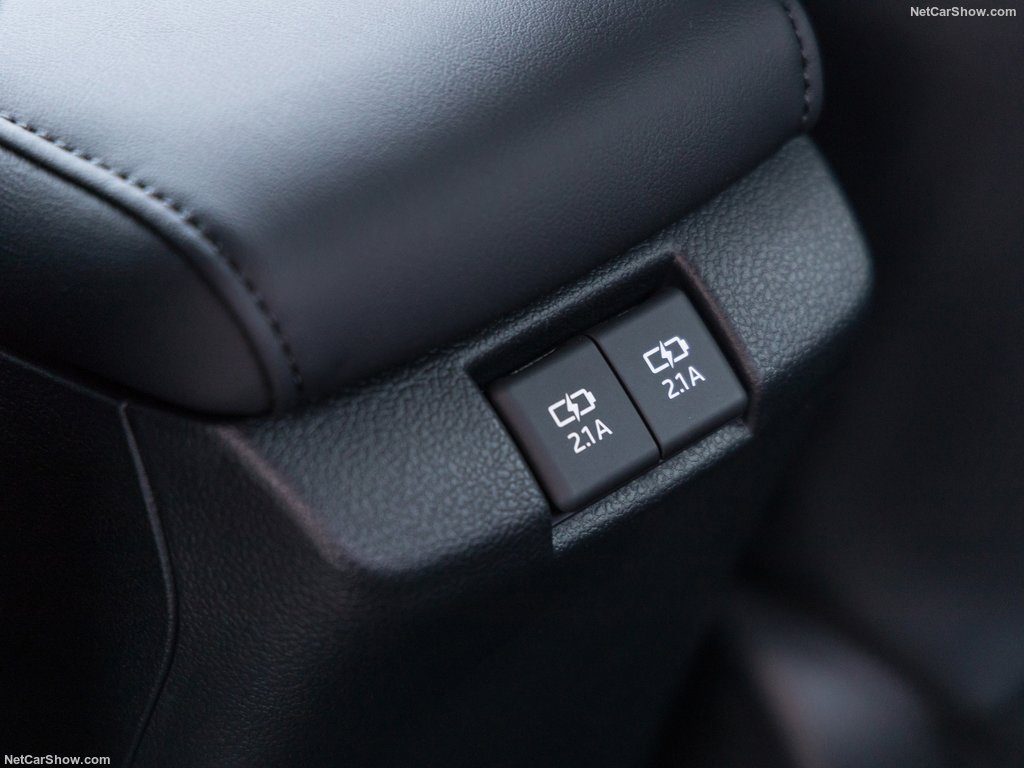
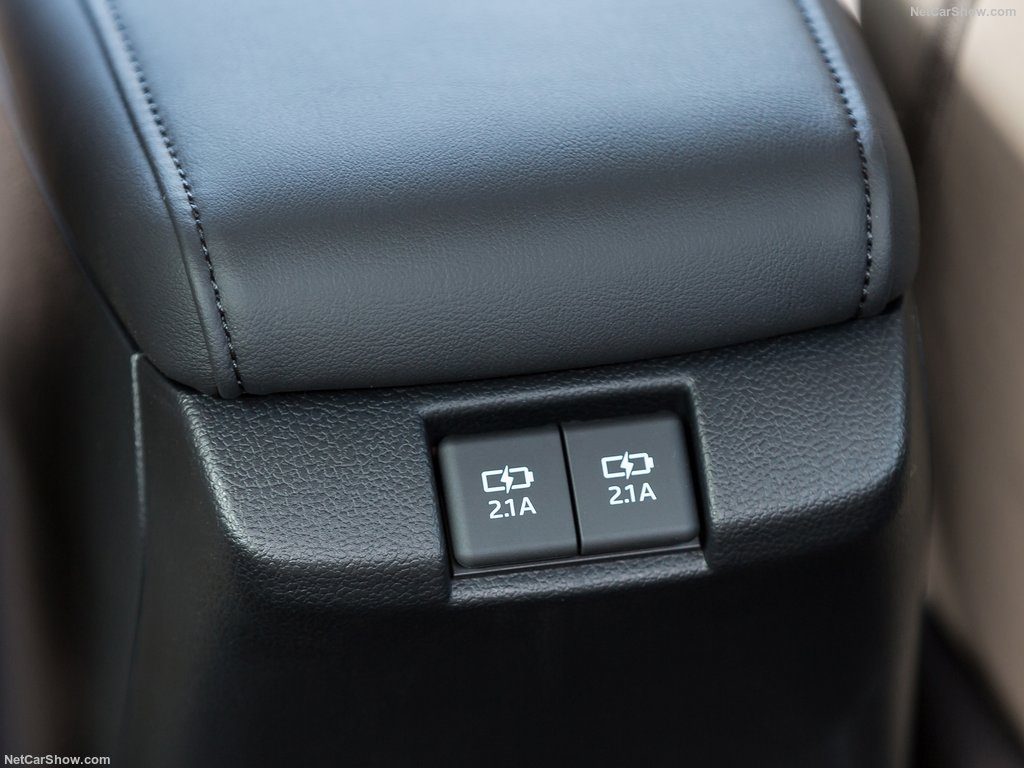
The standard Entune Audio system for AWD-e models includes the Entune Multimedia Bundle: 6.1 in. touch-screen display, AM/FM CD player, 6 speakers, auxiliary audio jack, one USB 2.0 port with iPod connectivity and two 2.1-amp USB charge ports, advanced voice recognition, Bluetooth hands-free phone capability, phone book access and music streaming, Siri Eyes Free, and an integrated backup camera display. The Limited grade comes standard with the Entune Premium JBL Audio with Integrated Navigation and App Suite, with a large 11.6″ HD multimedia display.
2019 Prius Mechanical Features
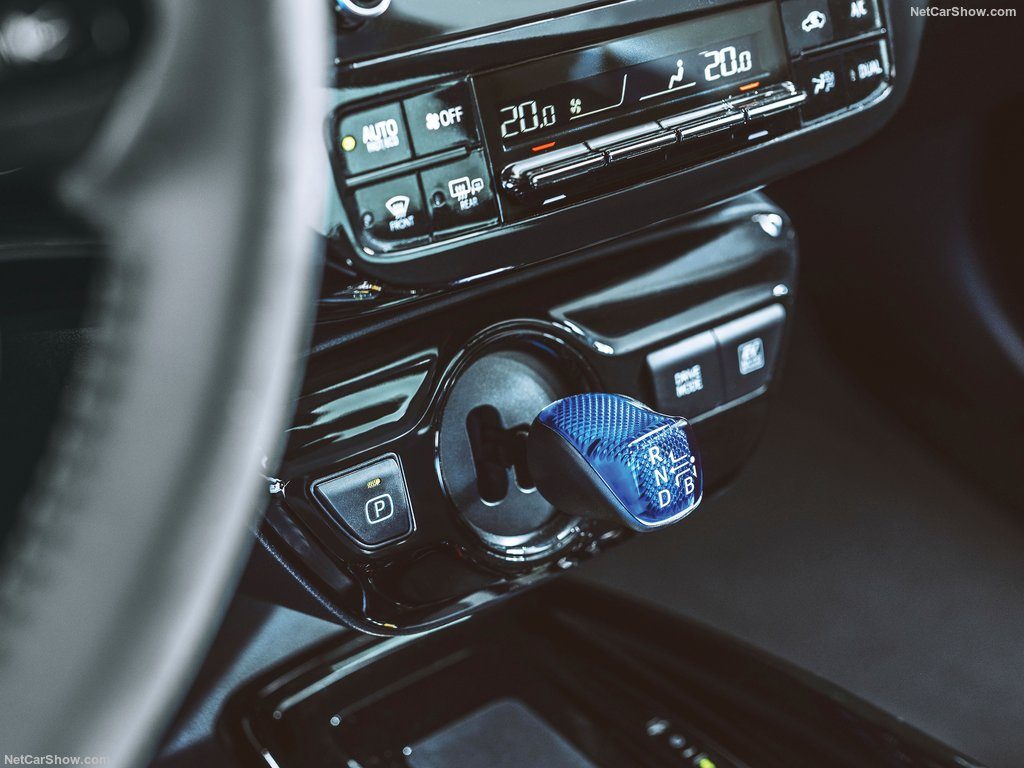
The Toyota Prius AWD-e shares the Hybrid Synergy Drive system with other Prius models. The system combines the output of a 1.8-liter 4-cylinder gasoline engine and two motor/generators through an electronically controlled planetary-type continuously variable transmission (CVT). The Electronically Controlled Brake System coordinates control between the regenerative braking and the vehicle’s hydraulic brake force to provide optimal brake performance and feel.
The 2ZR-FXE 1.8-liter 4-cylinder gasoline engine is itself a paragon of high efficiency. Thanks to ultra-low internal friction and efficient combustion, it exceeds 40 percent thermal efficiency, which is among the highest in the world for a gasoline engine.
The Prius gets a good share of its fuel efficiency by cheating the wind with an ultra-low 0.24 coefficient of drag (Cd), which is among the lowest of current production passenger cars. An automatic grille shutter reduces drag by closing when airflow to the radiator is not needed. Even the air conditioning system, which uses a quiet electric compressor, works intelligently to maximize energy efficiency. The Smart-flow (S-FLOW) mode directs airflow only to seated occupants to conserve energy and maximize comfort.
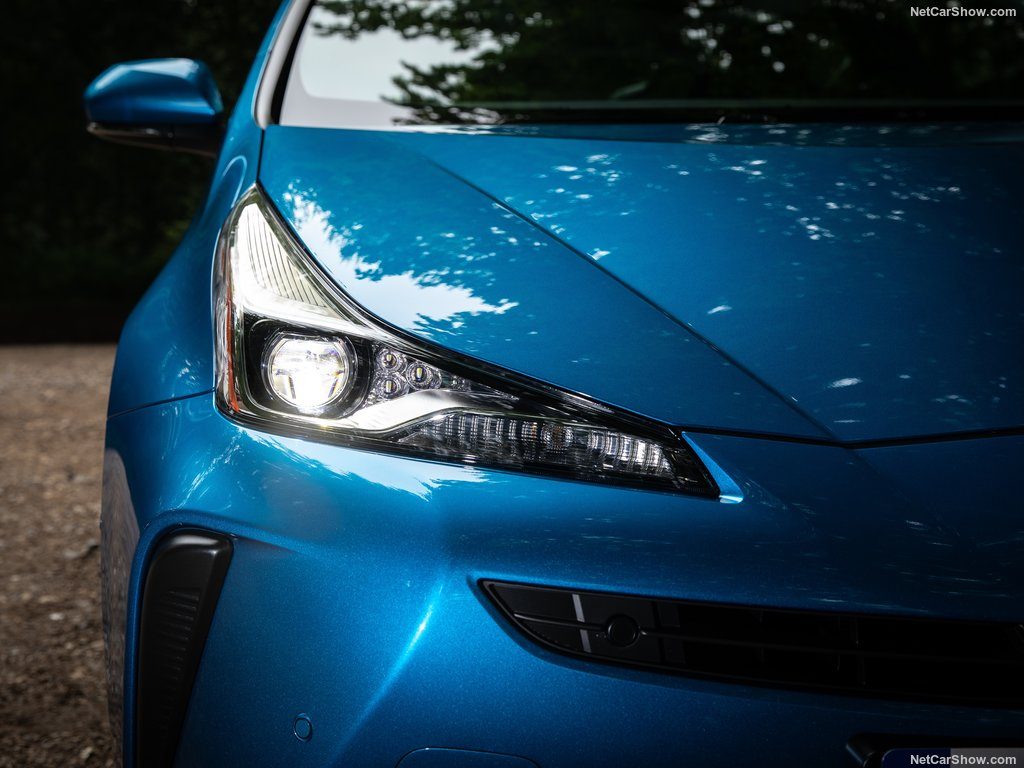
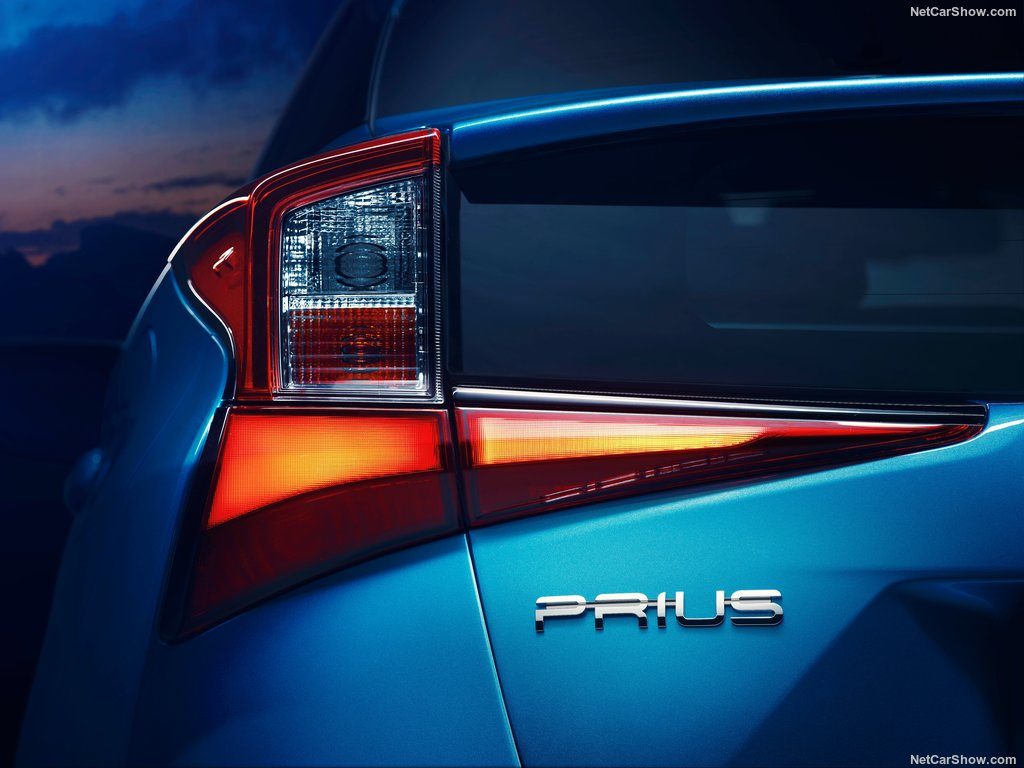
Standard Bi-LED headlamps and LED rear combination lamps reduce energy consumption compared to halogens, while giving better light and having a longer service life. A backup camera comes standard on all grades, and a full-width glass panel beneath the rear spoiler aids rearward visibility while also serving as a distinctive design feature.
Toyota New Global Architecture
The fourth-generation Toyota Prius is built around the Toyota New Global Architecture (TNGA). The platform introduced a new high-strength body structure, multi-link rear suspension and a lower center of gravity. The result for the Prius is a highly engaging driving experience combined with exemplary ride smoothness and a quiet cabin.
Hot-stamped and high tensile steels, which allow for intricate forms that are both lightweight and strong, are used extensively throughout the body. Aluminum components, including the hood and rear doorframes and brake calipers, help keep vehicle weight low. Innovative fastening methods, including laser screw welding and advanced adhesives, contribute to structural strength.
📖 Lire aussi :

Toyota-Prius-2019 
Toyota-Prius-2019